What does “static website” mean?
Every page is a ready HTML file, and the images, styles and scripts are files next to it. Nginx serves them with caching and compression. No PHP, no MySQL, nothing executed on the server when you visit.
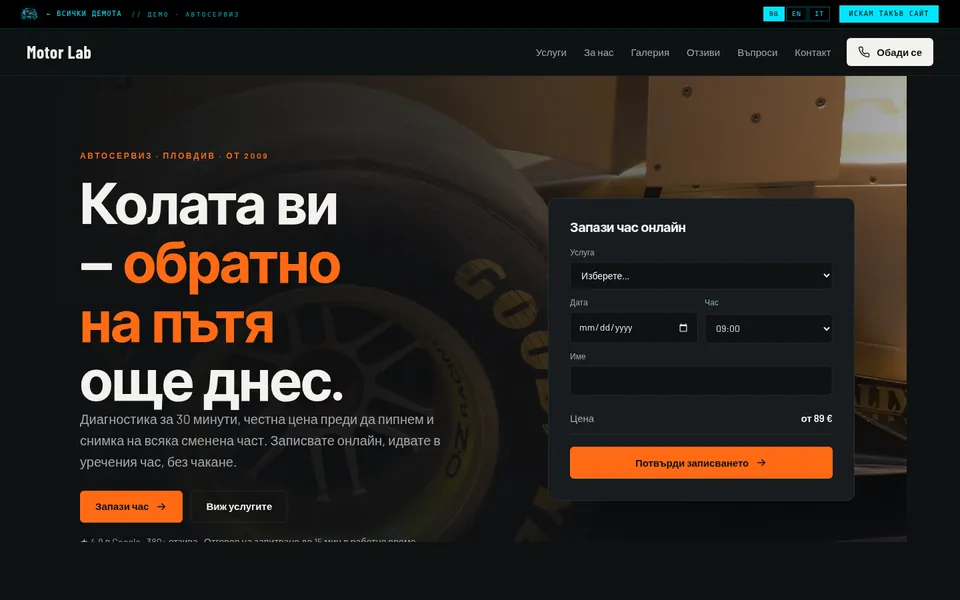
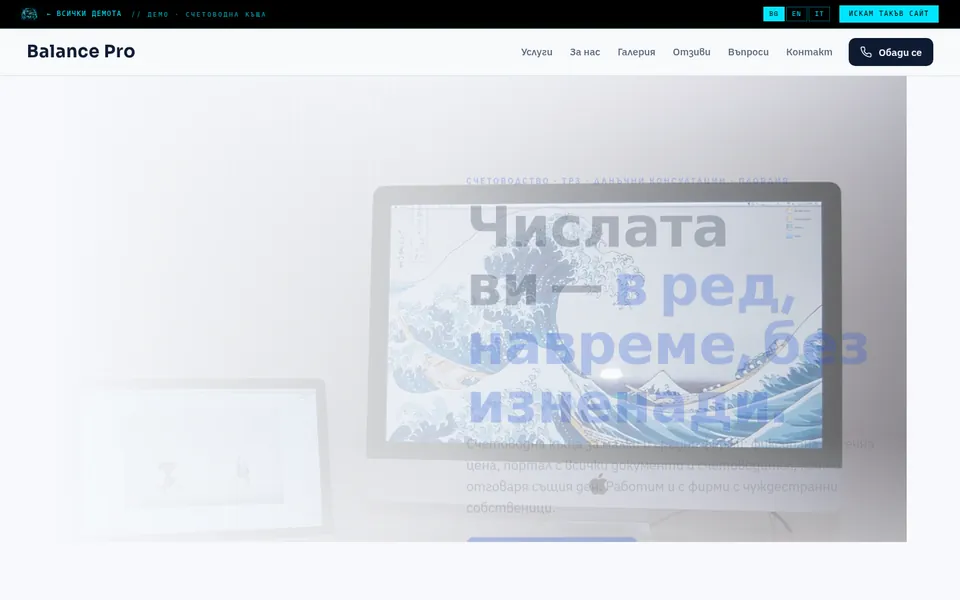
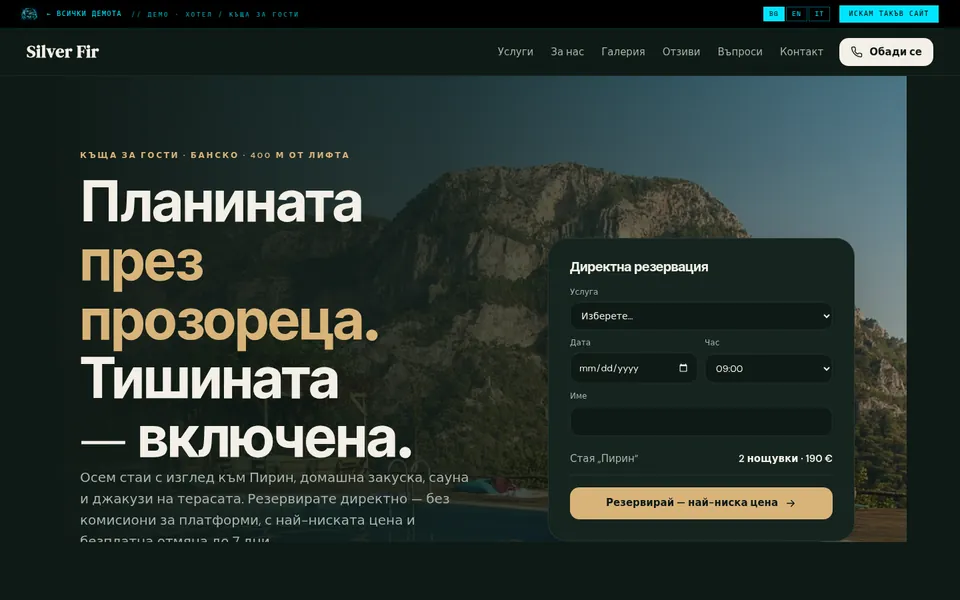
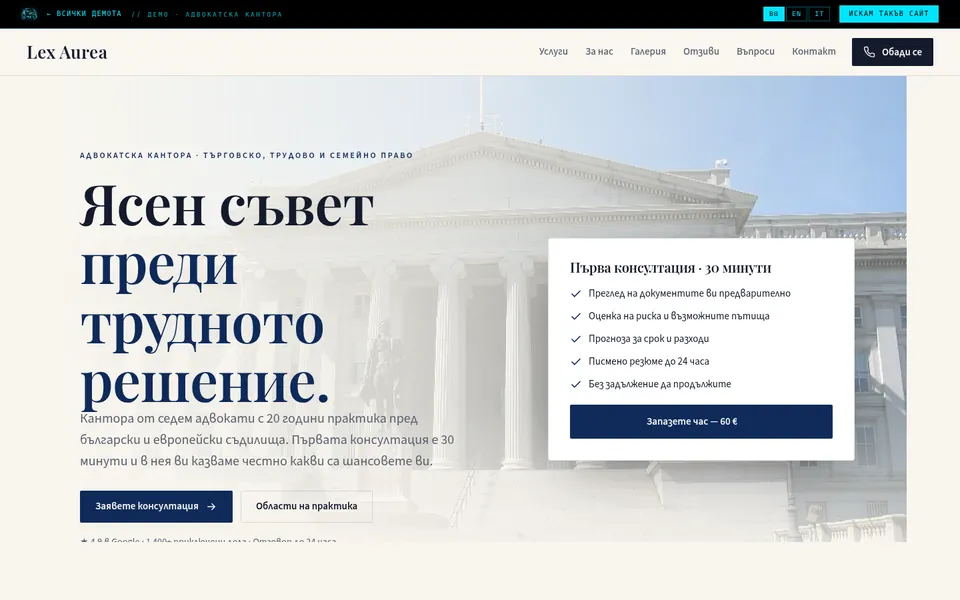
All our demos are exactly that: we generate them from one description of the content in three languages, and the result is a folder of files.
Why is it more secure?
There is nothing to break into. With WordPress the most common problem is outdated plugins and themes — the “vulnerable and outdated components” category sits near the top of the OWASP Top 10. A static site has no plugins, no admin login on the public address and no database to leak.
The admin panel you get with the Premium and Shop packages lives on a separate address with a password and roles, and the public site stays files only.
Why is it faster and cheaper?
A file from Nginx's cache is sent in milliseconds, without waiting for a database. That is why our demos score 95+ in the lab even without a CDN. Hosting is a small EU VPS instead of “managed WordPress” hosting, and that is the price you see: €13 per month after the first year.
There are also no monthly plugin updates that break the site on a Friday evening.
When do you still need a CMS or a shop?
When content changes every day by several people, or when there are orders, payments and stock. Then we build the site with an admin panel and a database (Prisma + PostgreSQL), but the public part stays fast and cached.
If you are not sure what you need, the answer is simple: start with a static site and add a shop when there is something to sell.